England cricketers face new alcohol restrictions and behaviour guidelines

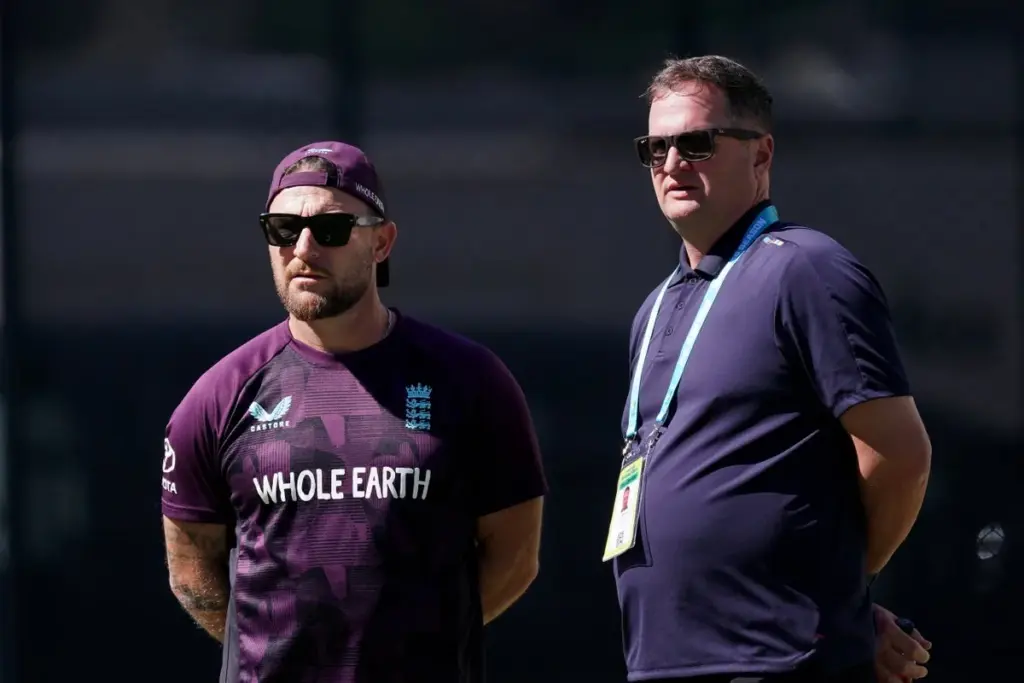
England men’s cricketers have been issued new guidelines advising against alcohol consumption on the day before and after matches. These updated rules also reinforce a midnight curfew that was initially introduced following a significant series loss in Australia.
The new guidance comes after a period marked by several incidents, including allegations of a drinking culture within the team. The director of cricket, Rob Key, has reportedly approved these updated regulations.
Updated Behavioural Guidelines
The revised guidelines recommend that players avoid drinking alcohol on the day immediately preceding a match, during the match days themselves, and on the day immediately following a match. This is part of a broader effort to address player conduct.
A midnight curfew, first implemented after a 4-1 Ashes series defeat in January, has now been clarified. The new guidance confirms that this curfew is active every day of a series, whether the team is playing at home or on tour. This clarification follows an incident during England‘s recent series against New Zealand.
During the series defeat to New Zealand, England captain Ben Stokes and Gus Atkinson were reportedly omitted from the second Test at The Oval. This omission occurred after they broke the curfew at a London nightclub following England‘s victory in the first Test. Ambiguities surrounding the curfew had previously led some players, including Atkinson, to believe it did not apply once a game had concluded.
Beyond alcohol consumption, the guidelines also stipulate that players must not appear to be under the influence of alcohol in public. They are also prohibited from posting any alcohol-related material or activities on social media. Furthermore, players are required to inform team management or security if they plan to be out of the hotel after 10 pm, and to communicate any changes to these plans.
However, the head coach and director of cricket, positions currently held by Brendon McCullum and Rob Key respectively, retain the discretion to relax these recommendations as they deem appropriate. This provision allows for flexibility, such as enabling players to celebrate a victory or participate in traditional end-of-series drinks with opposing teams, like after an Ashes series.
Context and Team Culture
These new rules apply specifically to the England senior men’s teams; the England women’s teams do not have formal alcohol-related regulations. The updated guidelines follow an eight-month period that included incidents such as a player being involved in an altercation with a bouncer, the Test team attending a stag party during an Ashes series, and the aforementioned curfew breach by Stokes and Atkinson.
The England and Wales Cricket Board (ECB) stated that the document is intended to “protect the players, the reputation both of cricket in England and Wales and the ECB, and to optimise player performance.” This initiative is broadly aimed at improving the team’s culture.
The introduction of these rules has prompted discussion about the broader team culture. Some observers note a perceived dissonance when the ECB attempts to regulate player drinking habits while also engaging in significant alcohol-related sponsorships. For example, the ECB has official wine partners, and venues like Lord’s feature dedicated champagne bars.

The timing of these new protocols also coincides with other decisions within English cricket, such as The Hundred competition’s vote to allow gambling company sponsorships for its franchises. This has led to questions about the consistency of messages regarding conduct and commercial interests.
The effectiveness of these rules in addressing underlying cultural issues within the team remains a point of discussion. The guidelines are seen by some as an attempt to manage the team’s public image and protect commercial interests, rather than a direct solution to performance issues or deep-seated cultural problems.
The leadership’s role in shaping team culture has also been highlighted. The decision by Brendon McCullum to take the team to Noosa during the Ashes series, a location known for its beach bars, has been cited as an example of how leaders’ actions influence team behaviour. Ultimately, a team’s culture is shaped by the words, behaviour, and values of its leaders, rather than solely by mandated codes of conduct.
The new guidelines confirm the midnight curfew is in place on every day of a series at home or on tour.
Read Also
Source: foxsports.com.au

