Poland says Women’s U20 World Cup plans on track despite boycott threats

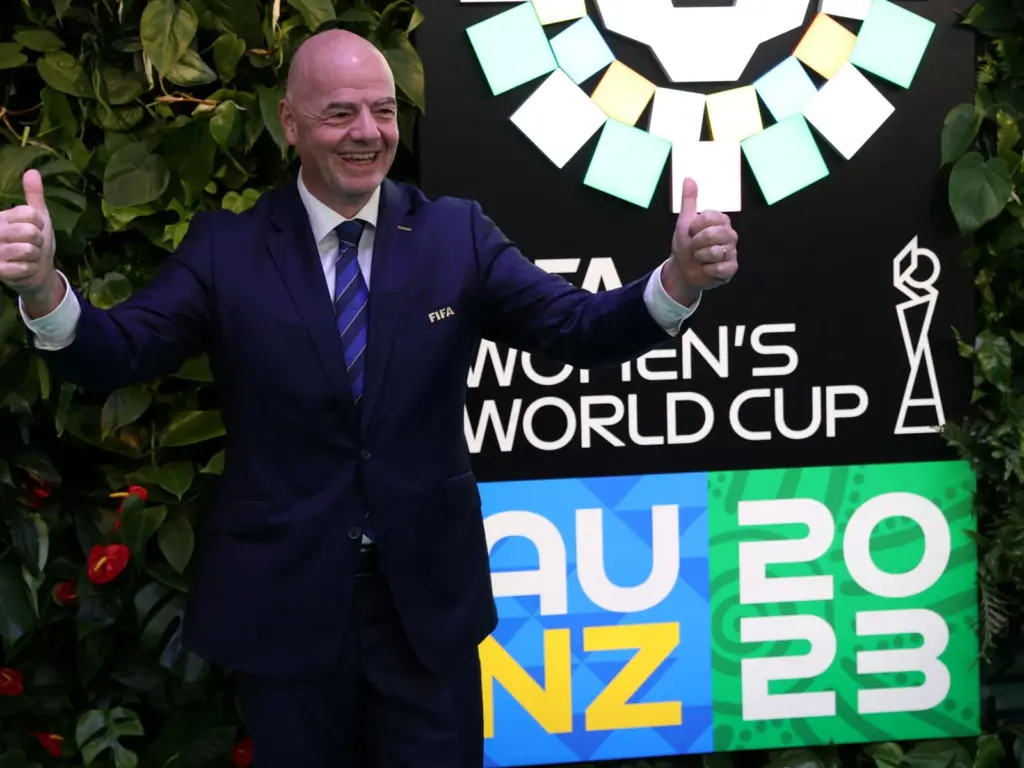
Preparations for the upcoming Under-20 Women’s World Cup in Poland are proceeding as scheduled, despite a potential boycott from Uefa member associations. The tournament, set to run from September 5 to 27, is poised to be the first FIFA event held amidst ongoing disputes concerning FIFA president Gianni Infantino.
Uefa and its 55 member associations have threatened to boycott FIFA competitions. This threat stems from Infantino’s previous proposal to sell stakes in the World Cup and other competitions to private investors. The Polish Football Association (PZPN) stated on Tuesday that it has not received any notifications regarding the withdrawal of participating teams.
Tournament preparations continue
The PZPN confirmed that preparations for the FIFA U-20 Women’s World Cup are progressing according to the agreed timeline and have entered their final stages. They expressed belief that the current situation will be resolved quickly, allowing young players from around the world to compete in Poland.
The association emphasized its commitment to ensuring optimal conditions for the competition and all participating teams. For many young athletes, this tournament represents a significant milestone in their sporting careers, and the focus remains on delivering an event that matches their talent and dedication.
Several nations have confirmed their intent to participate. France was among the first to confirm its involvement in the 24-team tournament. New Zealand has also announced it will send a team, highlighting the tournament’s importance for the development of women’s football.
The Portuguese Football Federation (FPF) indicated that its Under-20 team is adhering to its planned schedule, which includes a friendly fixture against England. While England’s Football Association has not officially confirmed its participation, coach Lydia Bedford’s Young Lionesses squad is continuing its preparations for the event.
Call for leadership change
Lisa Nandy, the Culture Secretary, has voiced her opinion that women’s footballers should not be unfairly affected by a potential boycott. She stated that she does not generally support sporting boycotts, believing they can divide people and unfairly penalize athletes who are not responsible for the reasons behind such actions.
Nandy expressed a desire for football to unite and resolve the current issues, advocating for a change in leadership and direction at FIFA. She believes that football belongs to its fans and that women and girls should not be penalized, especially as the women’s game continues to grow in strength.
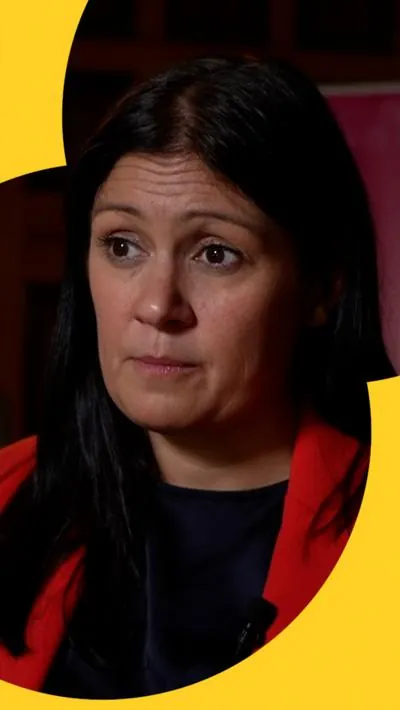
She also stated her support for the English FA’s stance that football belongs to its fans and called for a change at FIFA, suggesting that Infantino’s time as president should end. Nandy specifically mentioned that she wants to see Infantino resign over his FIFA Forward Enterprise (FFE) proposal.
The FFE proposal involved selling stakes in the World Cup and other competitions to private investors. Uefa’s associations were clear about the conditions for non-participation in FIFA competitions, stating that these conditions have not been met. They also reiterated their loss of confidence in Gianni Infantino’s presidency.
The dispute arose after Infantino proposed, and later abandoned, a plan to sell 20 percent of the commercial rights to the World Cup to private investors to raise approximately $4.2bn. This triggered a significant governance dispute within football.
A source close to the situation indicated that discussions among confederations have acknowledged the possibility of needing talks about alternative tournaments, though it is hoped these will not be necessary. Should the dispute escalate, women’s football is expected to be the first area significantly impacted.
Beyond the U-20 Women’s World Cup, FIFA’s Under-17 Women’s World Cup is scheduled for October in Morocco. Additionally, European nations, including World Cup runners-up England, have qualifying matches scheduled for the 2027 World Cup in Brazil.
Source: bbc.com

