Spain’s World Cup final preparations overshadowed by travel denial for former player

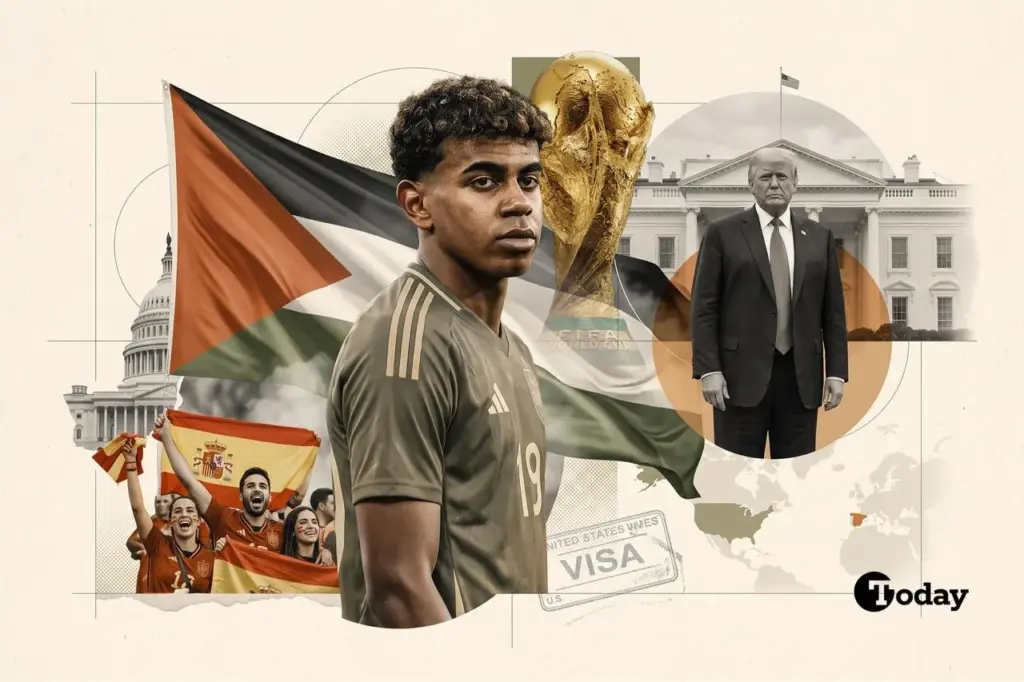
Preparations for the World Cup final between Spain and Argentina have been impacted by an off-field controversy. Former Spain defender and 2010 FIFA World Cup winner Joan Capdevila has stated that his authorization to enter the United States was denied. Capdevila had intended to travel to New Jersey to witness Spain compete against Argentina in the final match.
Capdevila’s travel authorization was rejected prior to his departure. He indicated that the denial was connected to a visit he made to Iran in 2016. During that trip, he participated in a football exhibition match alongside former La Liga players.
Travel Authorization Issues
Under U.S. Visa Waiver Program regulations, individuals who have visited certain countries may no longer be eligible for an ESTA travel authorization. Instead, these travelers are required to apply for a standard visa. Capdevila publicly sought assistance after learning he might miss Spain‘s significant match.
The incident has sparked discussions regarding international travel requirements, particularly in the context of major sporting events. Immigration experts have noted that ESTA eligibility is determined by travel history, not by professional status. This means that former athletes are subject to the same entry requirements as other travelers.
The situation has also highlighted the importance of submitting travel document applications well in advance of global tournaments hosted in the United States. The dispute between Spain and the United States has been ongoing for months, involving disagreements over war, defense spending, and trade.
The conflict reportedly began in March when Spain declined to permit American aircraft to use its bases for operations related to the war against Iran. Prime Minister Pedro Sanchez stated that the strikes were unjustified. Spanish officials clarified that Spain would not host any operation unless it was authorized by the U.N. charter.
Reports indicate that President Trump responded by ordering Treasury Secretary Scott Bessent to sever trade ties with Spain. This threat has been issued on more than one occasion. Subsequently, Spain became the only NATO member to reject the alliance’s proposed defense-spending target of 5% of GDP, with Sanchez calling the figure unreasonable.
Trump reportedly referred to Spain as a “terrible partner.” At the NATO summit in Ankara on July 8, he escalated the situation further by ordering an immediate halt to all U.S. trade with Spain. However, EU trade policy is managed through Brussels, not through bilateral orders from Washington, a point the European Commission highlighted.
Broader Political Context
The economic implications of these actions are considered modest. Spain exports olive oil, wine, steel, and auto parts to the U.S., and its wine exports were already declining before Trump‘s recent threat. Analysts suggest that Spain has less exposure to American retaliation compared to most of its EU neighbors. However, the political discourse has extended beyond trade ministries.
The impact of these political tensions was first observed in football when a planned Finalissima match between Spain and Argentina in Doha was canceled in March. This official cup match, intended for the reigning European and South American champions, was called off by UEFA and Qatari organizers. They cited regional instability, airspace disruptions, and travel restrictions linked to the conflict in Iran.
Argentina suggested rescheduling the match after the World Cup, but the federations could not agree on dates or a neutral location, leading to the match being dropped. The upcoming final marks only the second time Spain and Argentina have met at a World Cup, with the first encounter being a group match in 1966.
Another notable incident occurred in May when 18-year-old Lamine Yamal displayed a Palestinian flag from Barcelona‘s open-top bus during the club’s title parade. This occurred in front of approximately 750,000 people. Yamal, whose father moved to Spain from Morocco, is Muslim and has previously spoken about experiencing anti-Muslim chants during matches.
Reactions to Yamal’s action were varied. Barcelona coach Hansi Flick stated it was not his personal preference but respected Yamal’s decision. Israel‘s defense minister accused Yamal of inciting hatred, while Sanchez defended him. Within days, a mural of Yamal holding the flag appeared on rubble in a Gaza refugee camp.
Spain‘s government had already established its stance on this issue, having recognized a Palestinian state in May 2024. This decision reportedly contributed to Spain being labeled “unfriendly” by Trump months before any disputes over Iran or NATO spending. Spain has also prohibited ships and aircraft carrying weapons to Israel from using its ports and airspace. Yamal’s actions were seen as consistent with his country’s position on Gaza.
These broader political issues are not expected to directly influence the match itself. Spain enters the final unbeaten. Regardless of the outcome of Capdevila’s travel situation, it will not alter the match result. However, the ongoing feud has already affected the tournament, from a canceled official match to individual fans and former players facing travel restrictions.
If Spain secures a victory on Sunday, the celebrations will take place in a country whose president attempted to cut off trade with Spain just five months prior. The final will be held in a stadium that a former champion almost could not enter due to a trip to Iran ten years ago.
Read Also
Source: turkiyetoday.com

